THE GOAL
SEE THE LIGHT is a 3D animated short film that abstractly talks about the “spend first, pay later” habit. The film takes place in a fantasy world where the protagonist is constantly trying to upgrade his crystal tree to impress others; little does he know the reality and the consequences of chasing that lavish spending. The film is also a graduation project for my university and was produced in 4 months.
THE CONCEPT
Since I had no experience in creating a script for any project before, let alone a short film, this was quite a challenge for me, but I learned a lot in the process and quite enjoyed the experience.
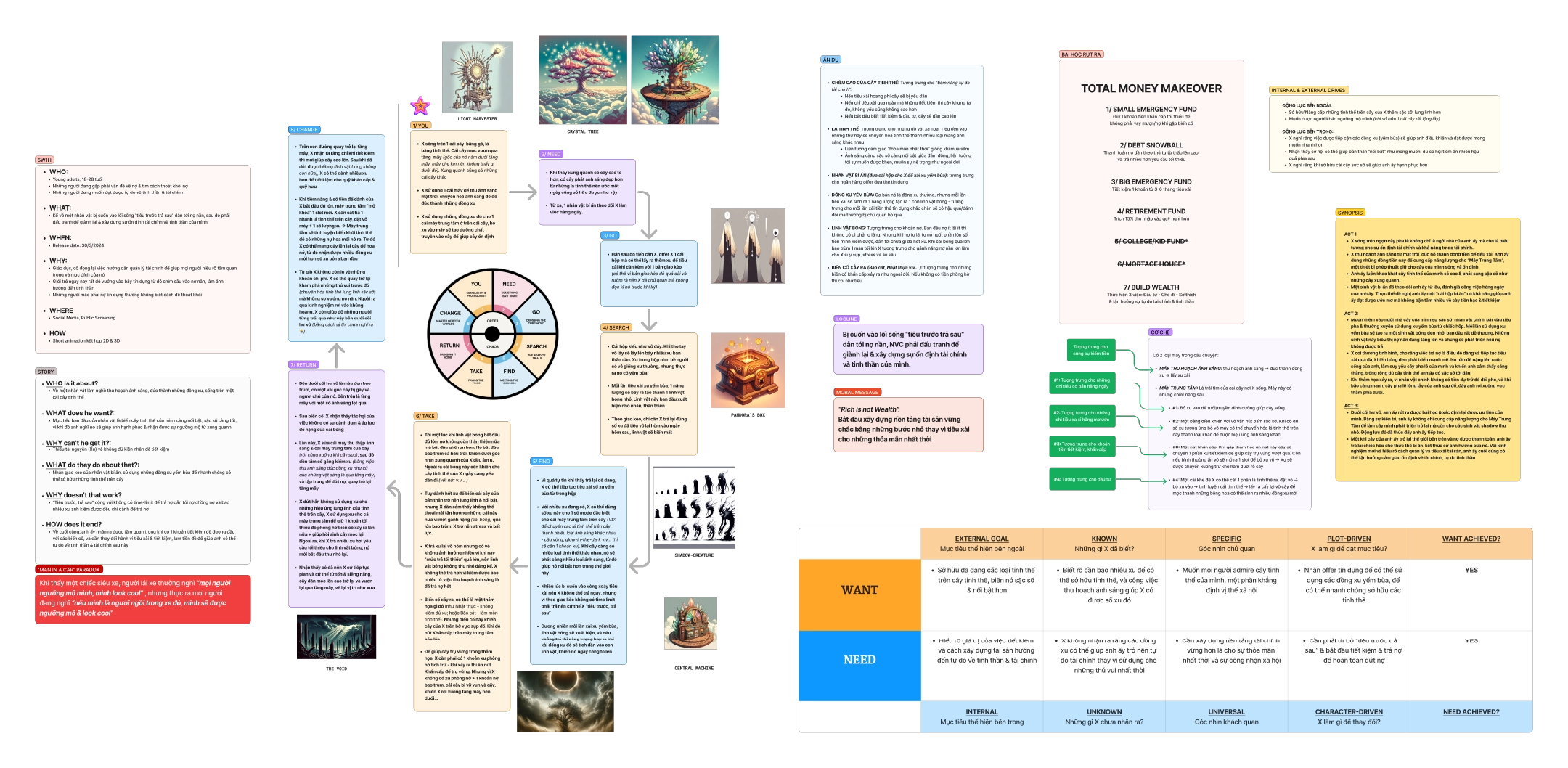
By selecting methods of getting out of debt as the foundation, I could build the story based around these core concepts. The first one is from “Total Money Makeover” by Dave Ramsey, where he explains 7 fundamental steps to remove debt and achieve financial freedom (in the long term). The second one is the “Man in a car” paradox from “The Psychology of Money” by Morgan Housel, where you cannot get respect and admiration from others by buying stuff. I also applied some of the approaches in writing film scripts (like defining Want/Need, Dan Harmon’s Story Circle, etc.) and in the end finalized the logline and synopsis. Since there was a shortage of time and limited resources, there are a few plotholes and hiccups in the story, but I am pleased with the overall film.
THE CHALLENGE
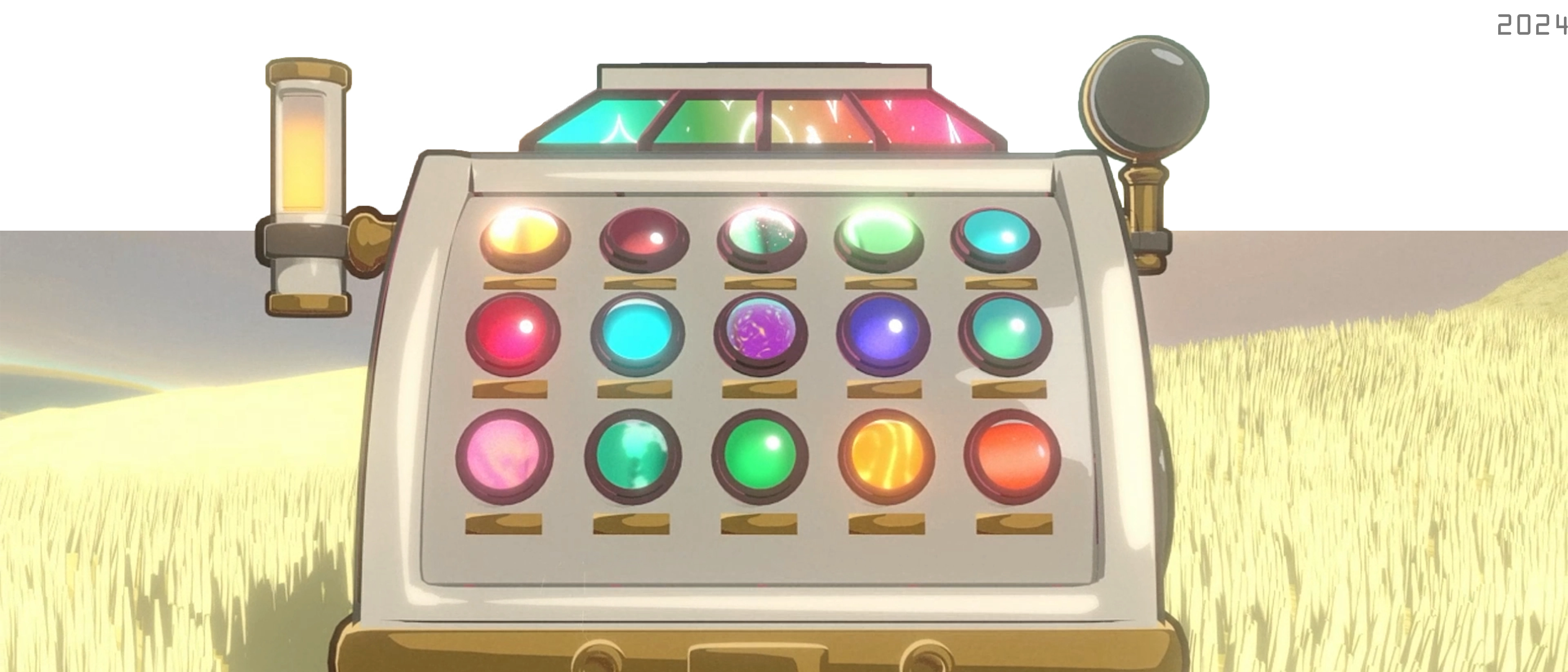
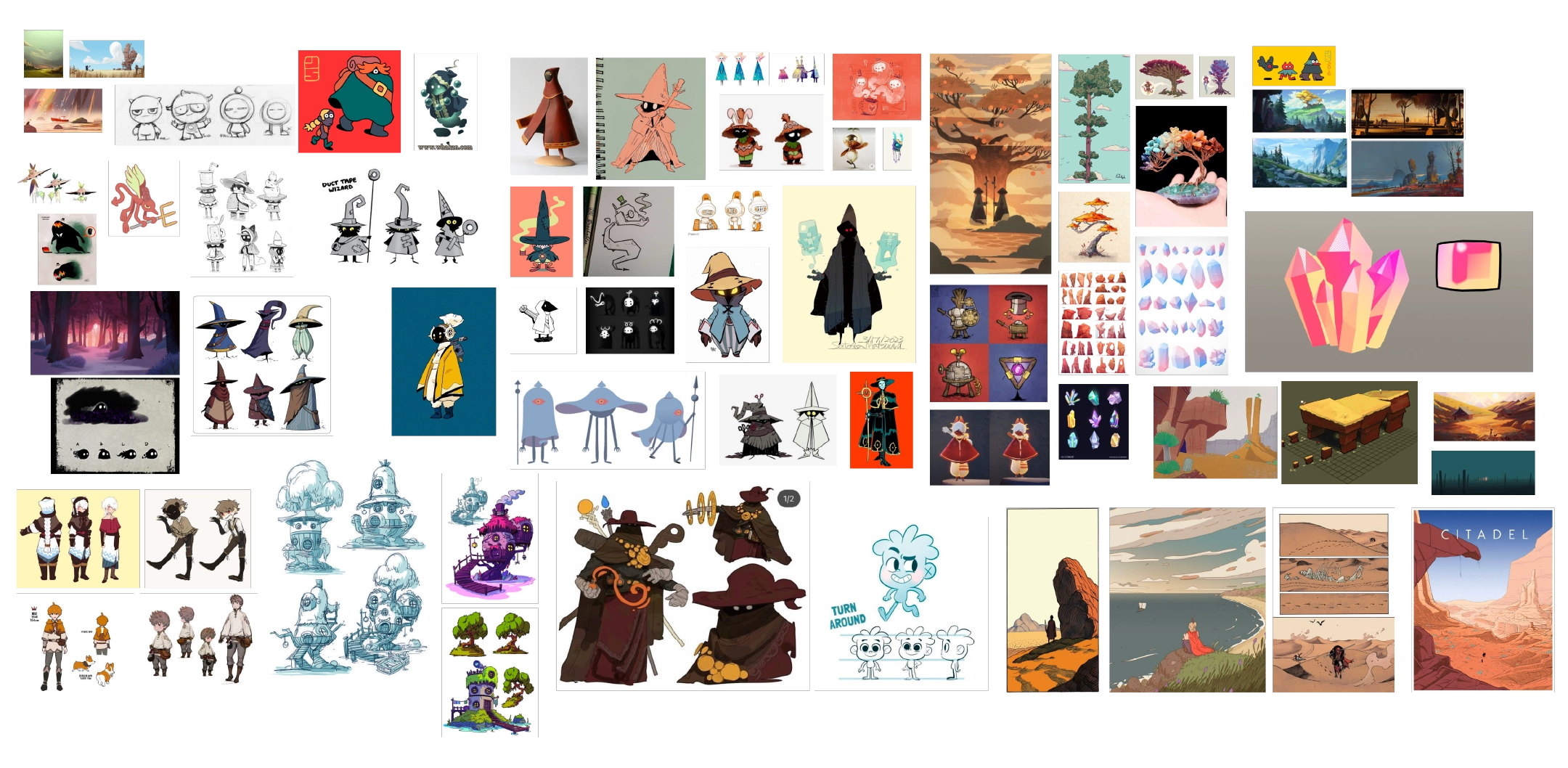
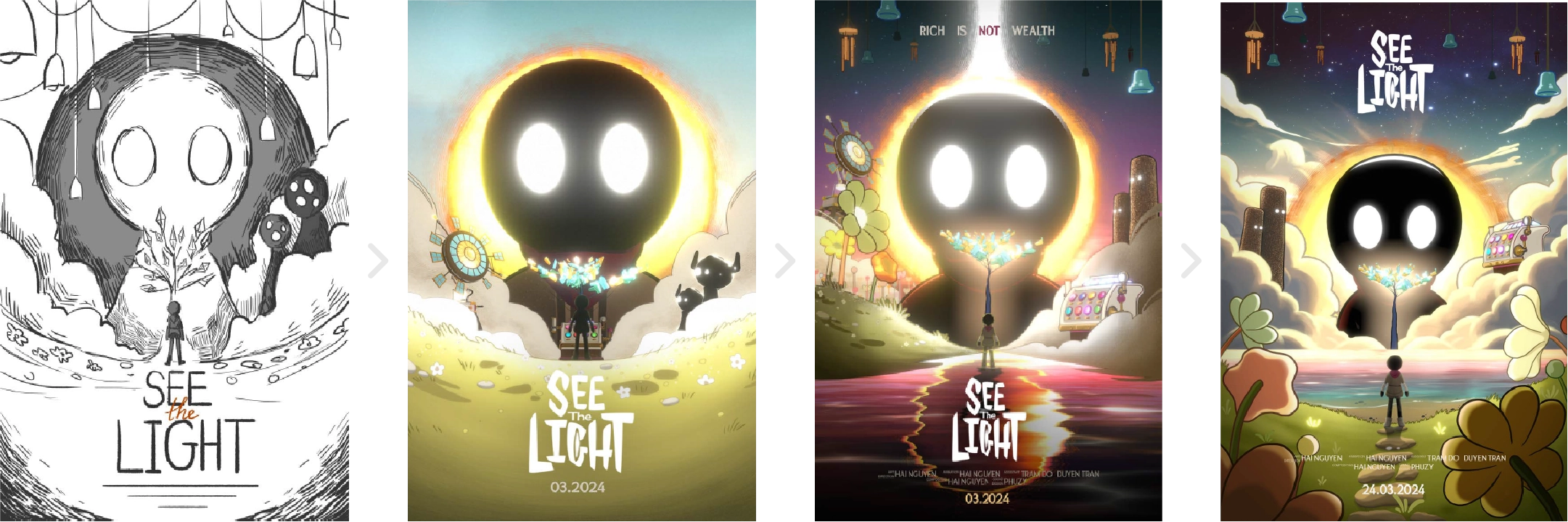
For the creative direction, I wanted to approach the vintage, retro film look with minimal character design (to reduce the scope of character rigging and animation, to be honest). After doing the visual research and settling on a moodboard, I started sketching some of the main objects in the film: the protagonist, the sun harvester (acting as a method of earning currency), the central machine (to upgrade the crystal tree with the currency), and the shadow creature (the consequences of lavish spending). In the same period, I was also working on the storyboard and played around with the style when developing styleframes as well.
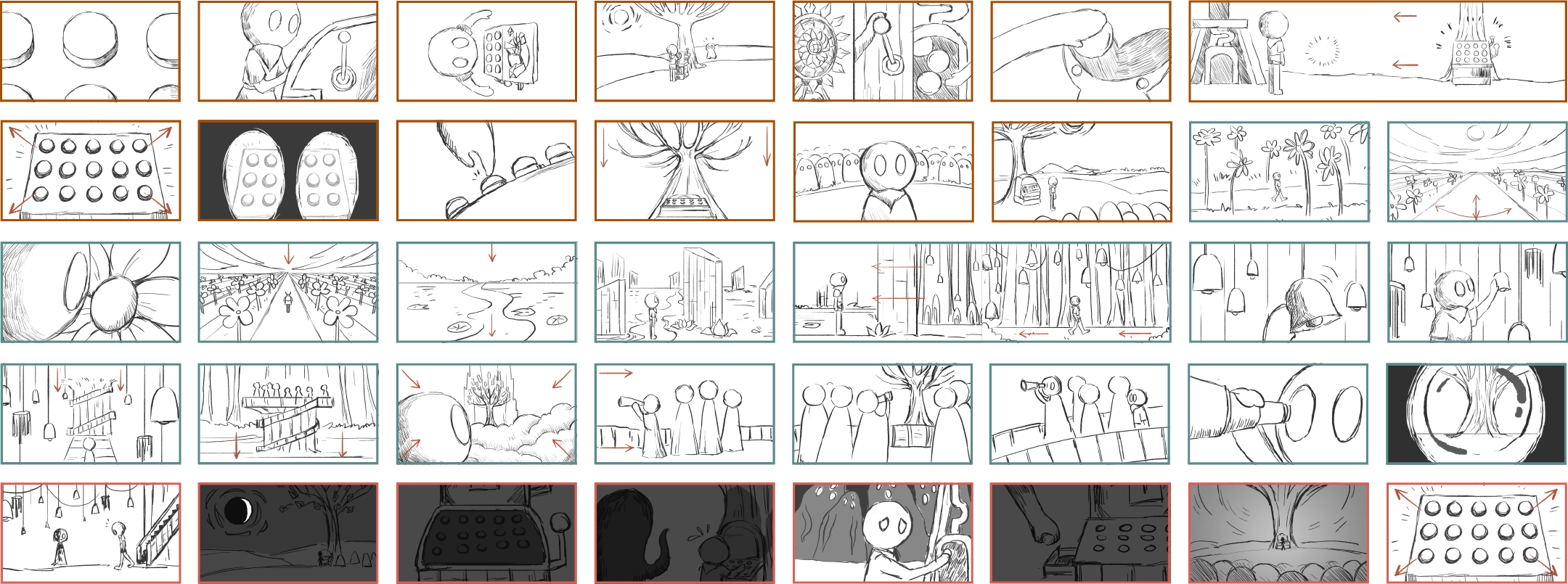
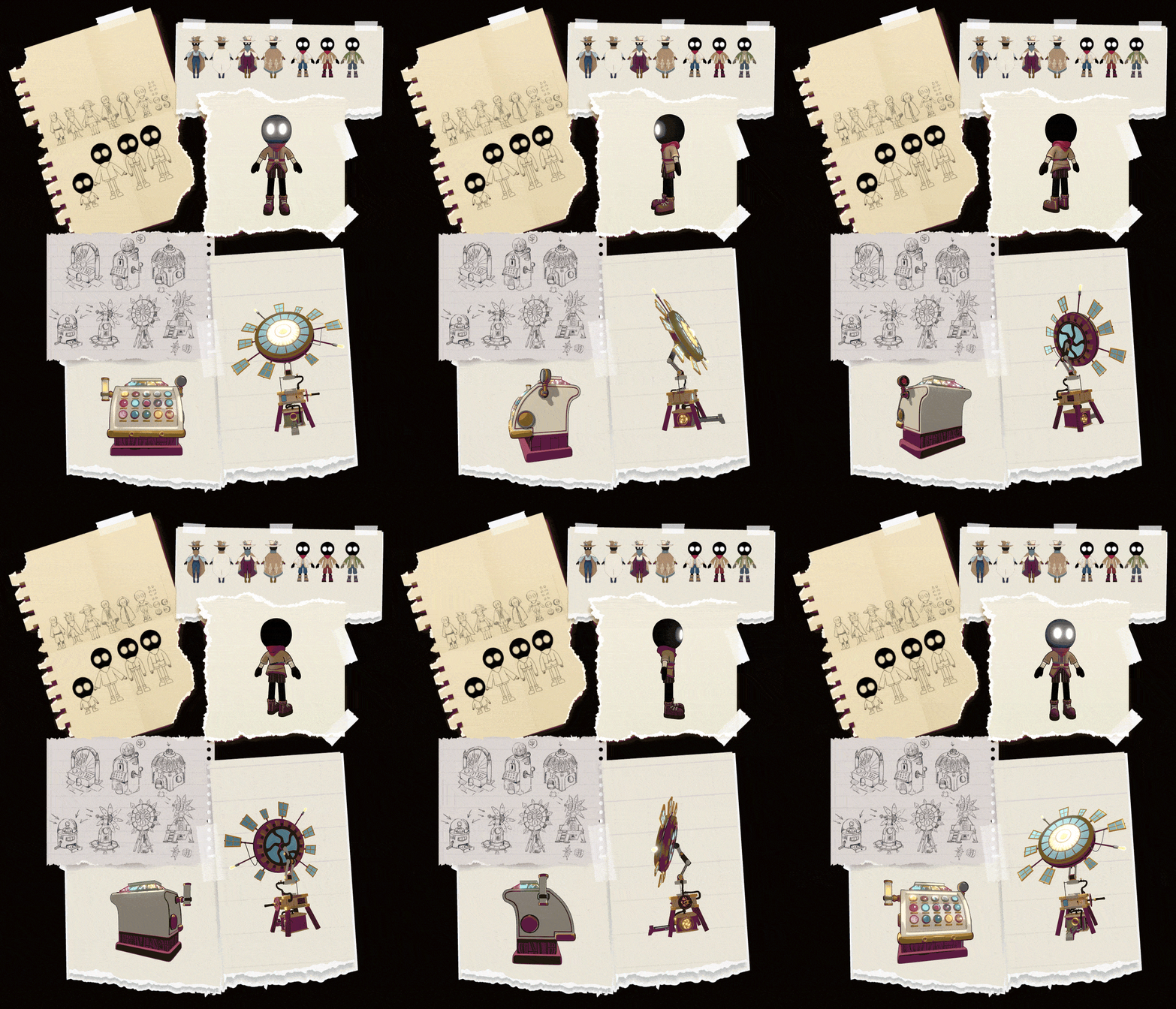
The most challenging part was modeling and animating in 3D, and the film is around 3-4 minutes long so there was a lot of work to be done. To achieve the NPR-style texture, I had to use an older Blender version since that texture pack was unsupported in newer versions. Although I did use some of the 3D parts from online to help speed up the process, 70-80% of the assets in the film are original. For the SFX and music production and some frame-by-frame sequences, I had my friends help me.
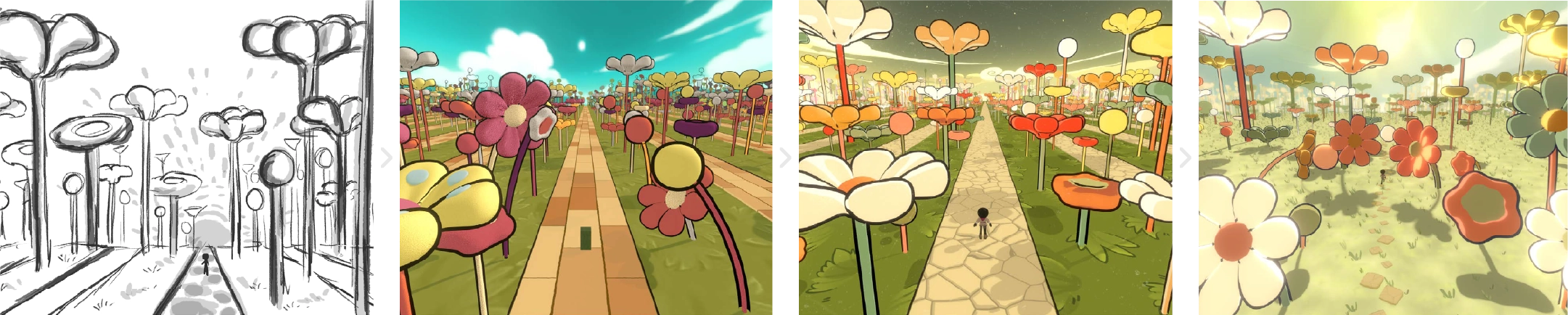
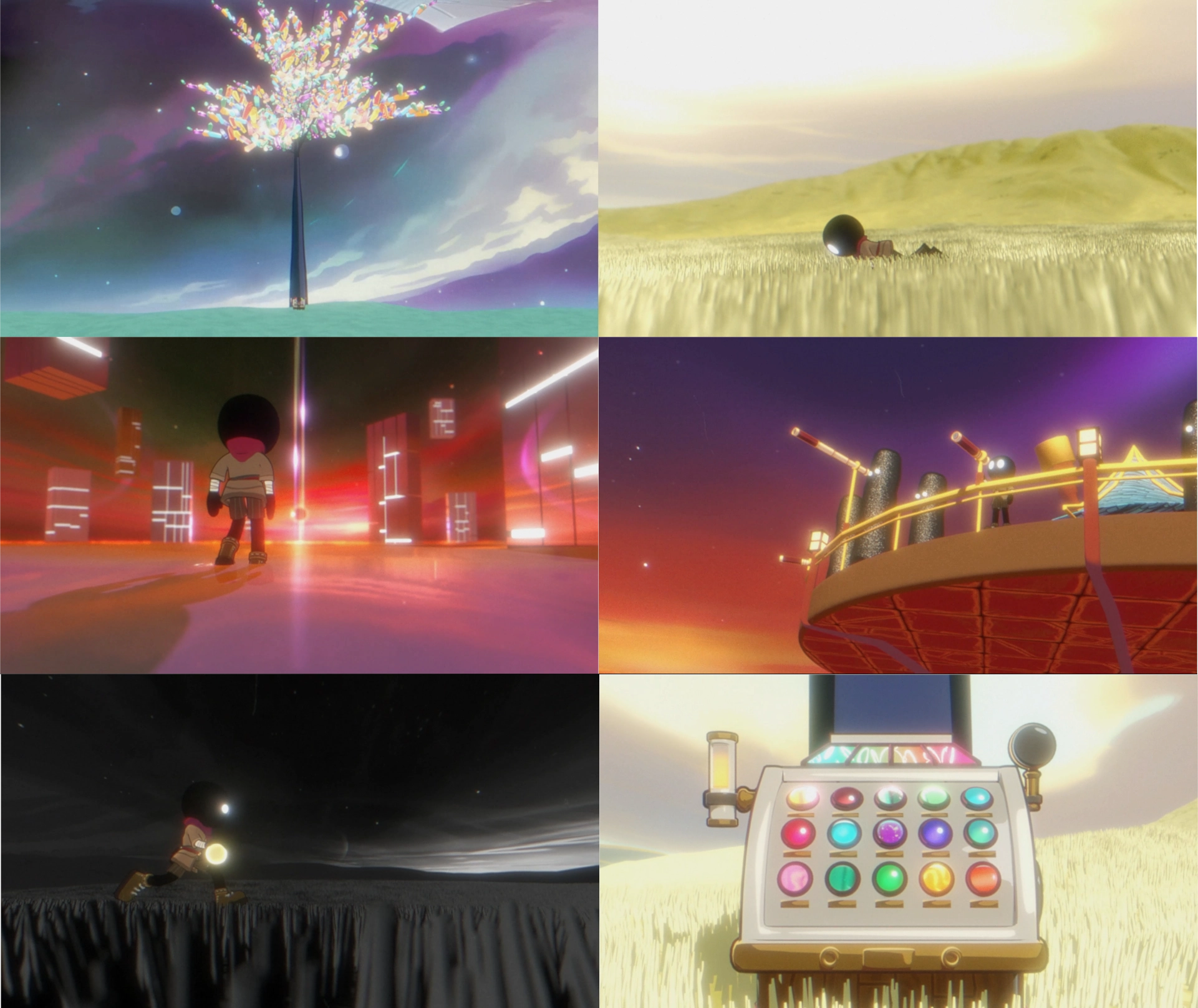
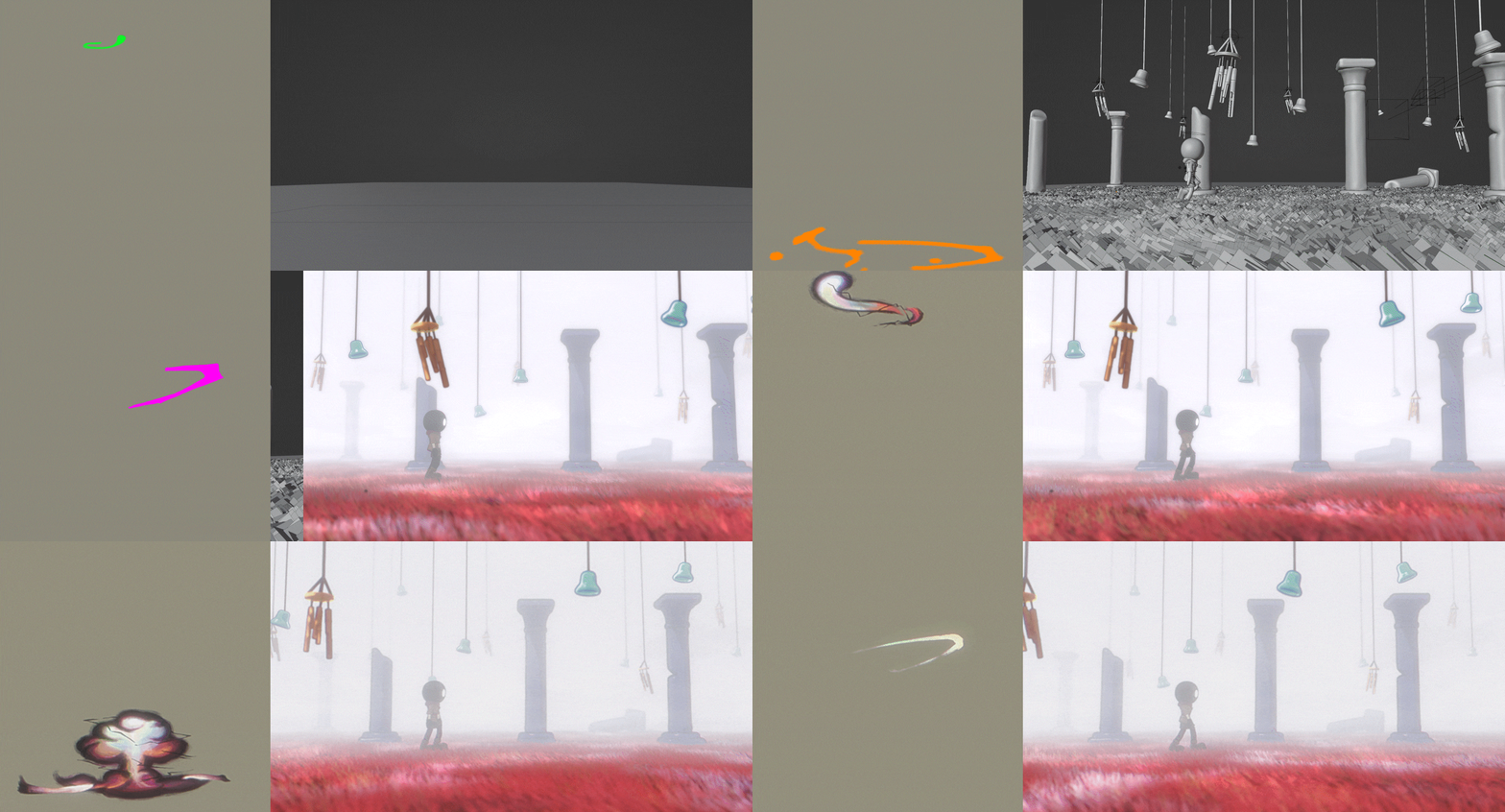
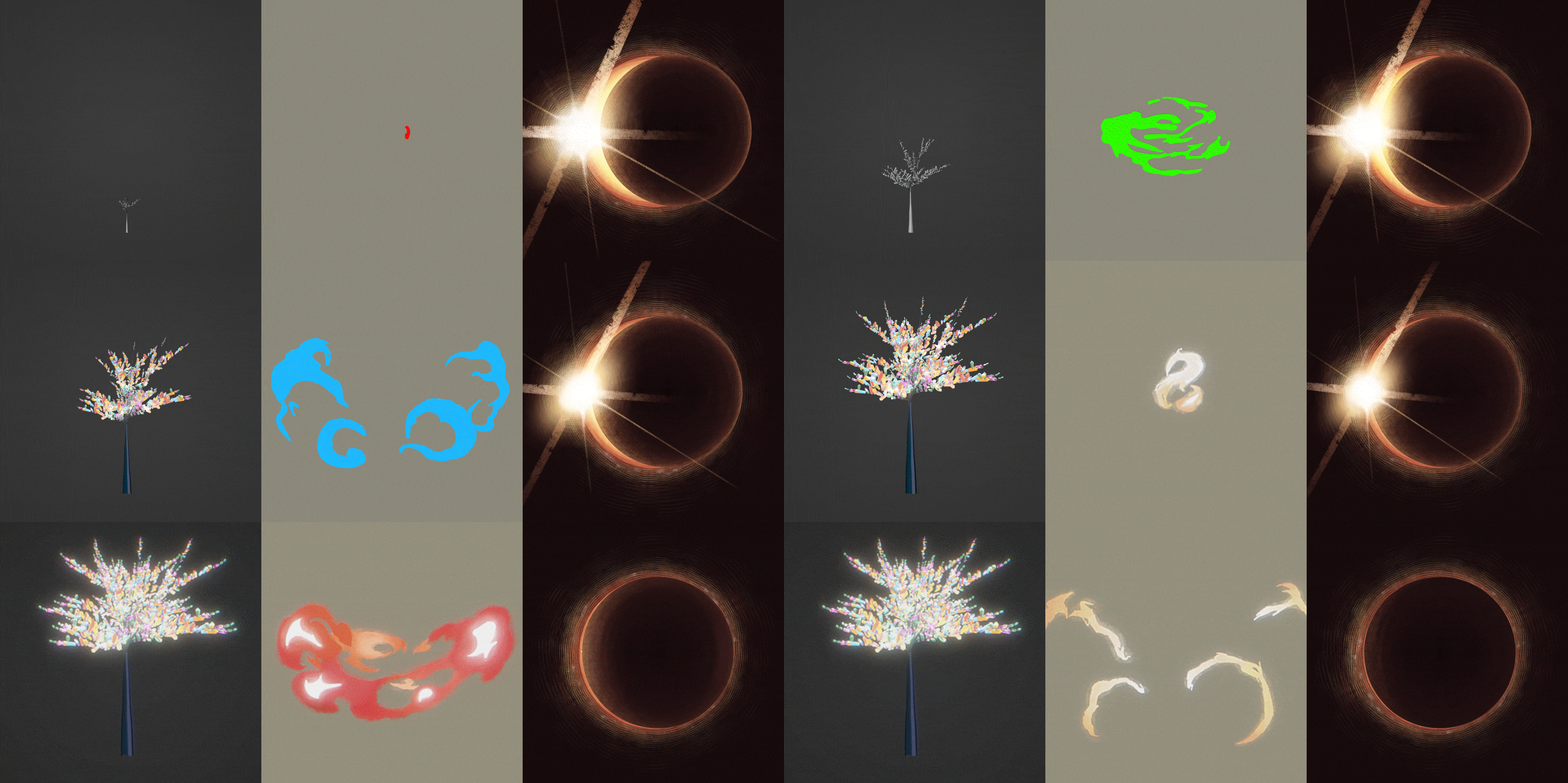
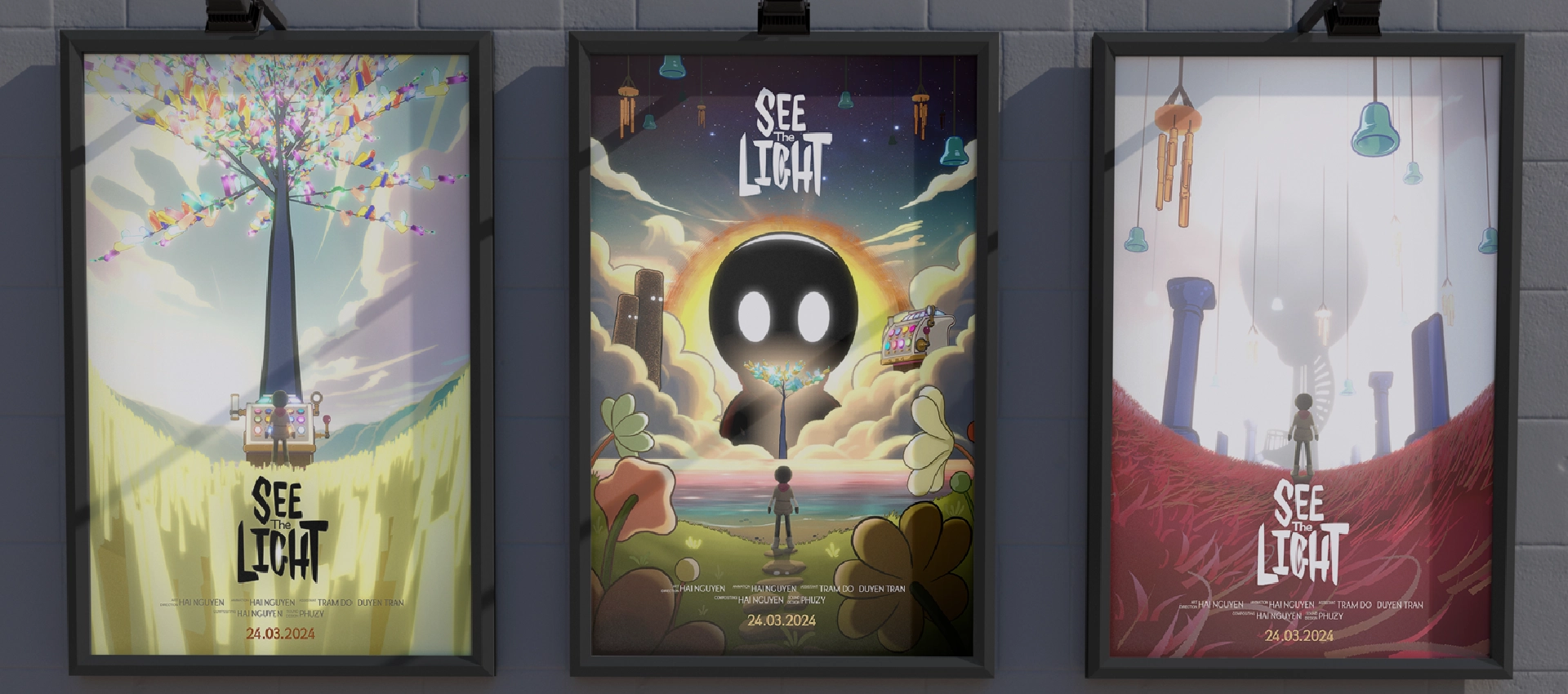
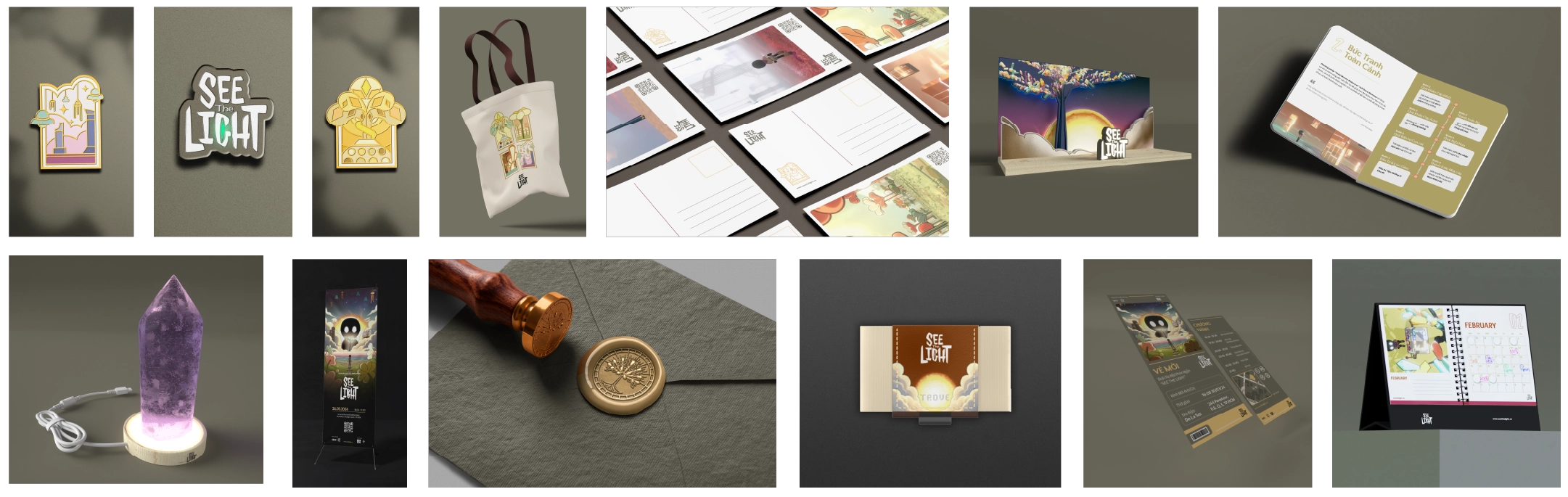
Last but not least, while the main film was the primary thing, there were some other deliverables that had to be designed to support the campaign of releasing the film (like in real life), which meant developing and planning an advertising campaign (ATL, TTL and BTL). This included all supporting media to promote the film (posters, landing page) and physical merchandise that supported the theme of the film (for example: A finance journal, A wallet etc.).
THE POST-MORTEM
The most challenging part was modeling and animating in 3D, and the film is around 3-4 minutes long so there was a lot of work to be done. To achieve the NPR-style texture, I had to use an older Blender version since that texture pack was unsupported in newer versions. Although I did use some of the 3D parts from online to help speed up the process, 70-80% of the assets in the film are original. For the SFX and music production, I had my friends help me.
You can view the additional Behance showcase, Proposal deck or Studybook.
*All writing is my own - no AI used.